
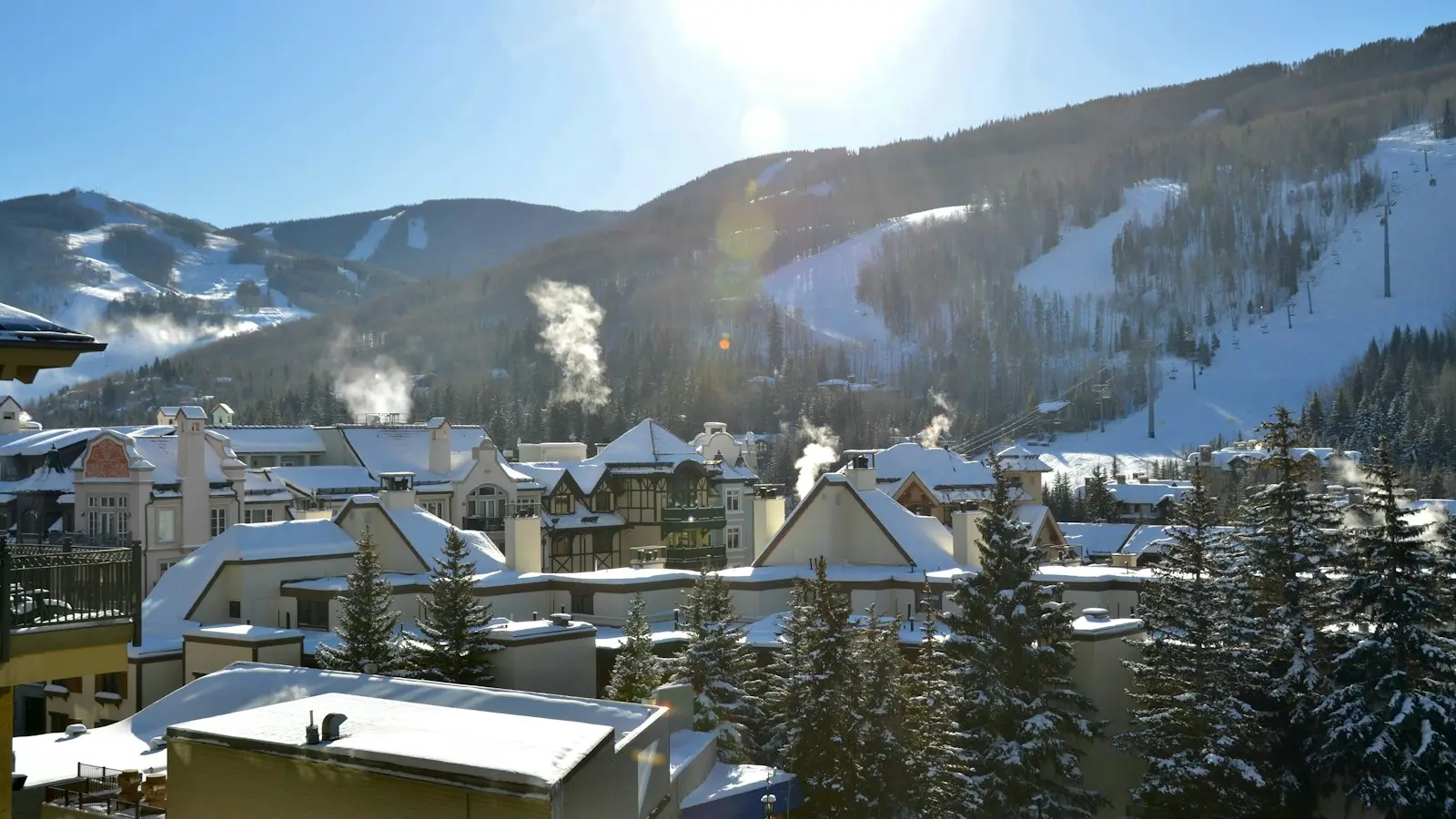
Every trip from Denver to Vail ends the same way: up and over Vail Pass, the 10,662-foot summit on I-70 between Summit County and the Vail Valley. In summer it's a beautiful climb. In winter it's the stretch most likely to stop you, and when it closes, there's no easy way around.
This page covers the Vail-specific part of the drive. For the full I-70 picture, from Denver's foothills to the Eisenhower Tunnel, read Denver Moments' I-70 winter driving guide.
Why Vail Pass closes
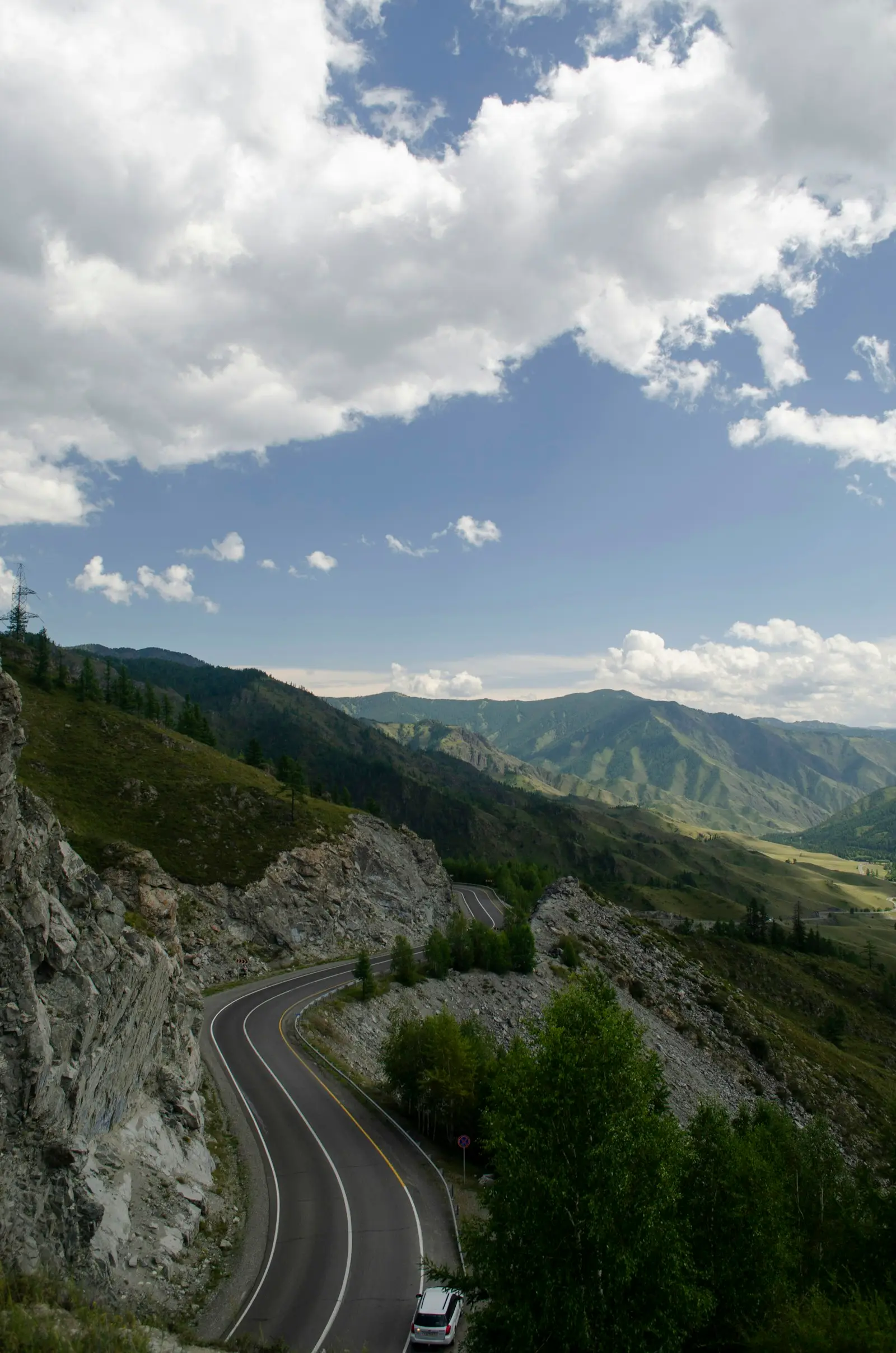
The pass climbs on grades up to 7%, steep enough that the westbound side has two runaway-truck ramps. Snow, wind and spun-out trucks on those grades lead to frequent weather and incident closures. CDOT doesn't publish a yearly count, but anyone who drives here in winter has a story. Discover Vail, the town's visitor site, warns that I-70 closures can last hours, or overnight.
The Traction Law on the Vail stretch
From September 1 to May 31, Colorado's Traction Law (Code 15) is always in effect on I-70 between Dotsero and Morrison, which includes all of Vail, Vail Pass and the road to Denver. To be legal, a passenger vehicle needs one of:
- Tires with at least 3/16-inch tread that are all-weather (M+S) or winter tires
- Four-wheel or all-wheel drive, also with at least 3/16-inch tread
- Chains or an approved alternative traction device
In severe storms CDOT can call the Passenger Vehicle Chain Law (Code 16): every vehicle needs chains or an approved alternative device. It's the last step before closing the highway.
Fines run $100 plus a $33 surcharge, rising to $500 plus $157 if your car blocks a lane. If you're renting, check the tires before you leave the airport.
The West Vail Pass project
CDOT has been rebuilding the west side of the pass to cut crashes and closures. The first phase, about $164.2 million of a program CDOT puts near $700 million, began in spring 2022 and 2026 is its final construction season. It adds an eastbound third lane of about three miles (mileposts 187 to 190) and a new eastbound bridge at milepost 185, and CDOT projects about 40% fewer crashes once it's done.
Timing your drive
- Fridays westbound and Sundays eastbound are I-70's peak days. Leave early, or travel midweek.
- Check CDOT's road conditions before you leave, and again at the Eisenhower Tunnel.
- If snow is forecast for your travel day, add hours, not minutes, to your plan, and keep water, warm layers and a charged phone in the car.
- Westbound, the Mountain Express Lane between Idaho Springs and Empire is a toll lane open at peak times.
The way around: fly to Eagle
The drive from Eagle County Regional Airport (EGE) to Vail stays in the Eagle River valley: about 35 miles, roughly 45 minutes, and no pass to cross. When a storm is coming, an Eagle flight can be the difference between dinner in Vail and an evening stuck short of the pass. See the Eagle airport flights guide for every nonstop this winter.
Or let someone else drive it
Our mountain-experienced chauffeurs drive I-70 and Vail Pass in luxury full-size SUVs (Expedition MAX, Yukon XL, Suburban or similar) and 11-passenger Ford Transits. We watch the forecast and the road, adjust pickup times when a storm is coming, and keep you posted if the pass closes.
Routes over Vail Pass: Denver airport to Vail, Denver airport to Beaver Creek, Vail to Denver airport, Vail to Breckenridge and Vail to Keystone. Heading west to Aspen instead? That route skips Vail Pass and runs through Glenwood Canyon; our sister site covers Vail to Aspen. Book your ride.
Frequently asked questions
How high is Vail Pass?
The summit is 10,662 feet, with grades up to 7%.
Is the Traction Law always in effect on Vail Pass?
From September 1 to May 31, Colorado's Traction Law (Code 15) is always in effect on I-70 between Dotsero and Morrison, which includes Vail Pass.
What happens when Vail Pass closes?
I-70 stops until CDOT reopens it, which can take hours or, in bad storms, overnight. There's no practical detour, so check conditions before you leave.
Do I cross Vail Pass from Eagle airport?
No. The drive from Eagle (EGE) to Vail stays in the valley, about 35 miles with no pass.
What is the West Vail Pass project?
A CDOT project, with 2026 as its final construction season, adding an eastbound third lane and a new bridge on the west side of the pass. CDOT projects about 40% fewer crashes.